Stop Losing Landscaping Leads While You're on the Mower
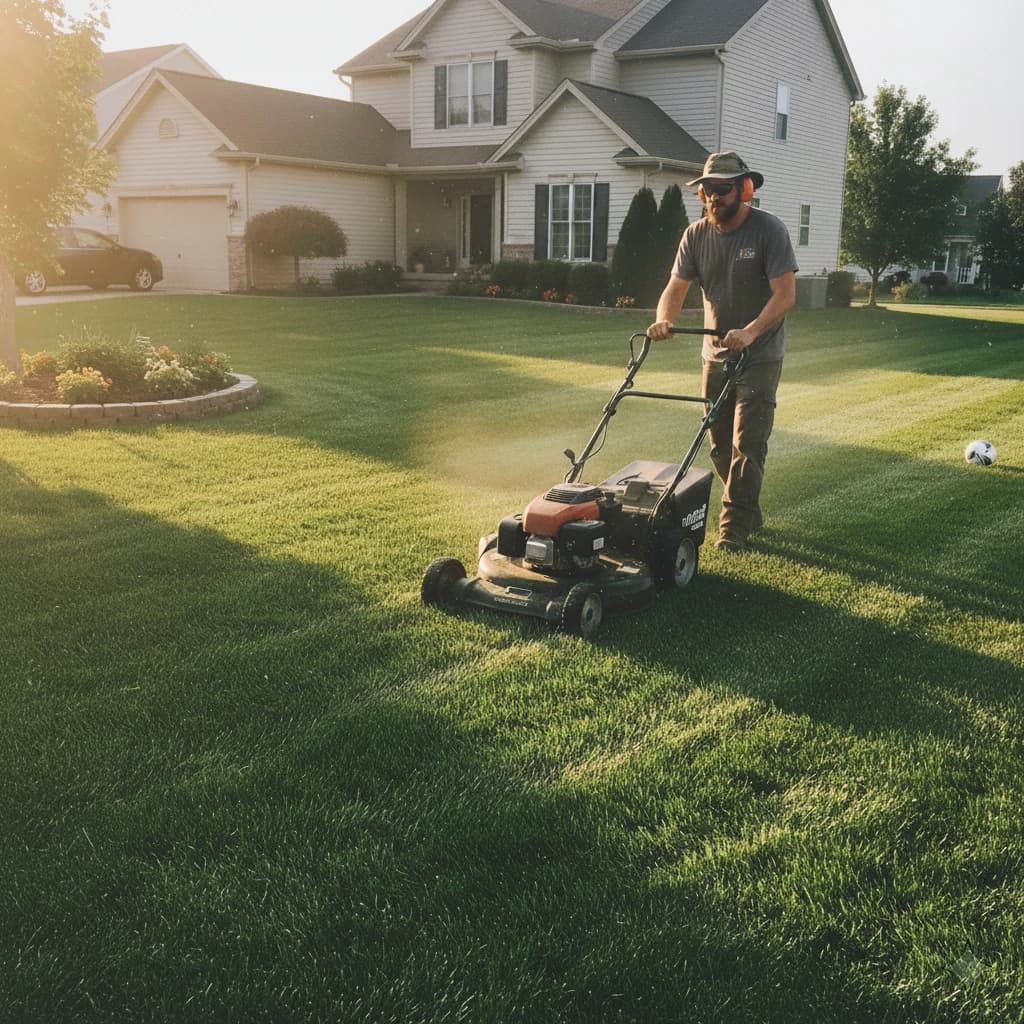
It's peak season. Your phone's buzzing in your pocket while you're running a zero-turn. By the time you check, they've already called someone else.
Cira is an AI receptionist that answers every call and text 24/7, books estimates and recurring services, and keeps your schedule full — so you can focus on the work.
Up and running in minutes
Every Landscaper Knows This Frustration
You can't answer calls when you're operating equipment or knee-deep in mulch.
Spring rush = missed calls = lost contracts
When everyone wants their lawn done at once, whoever answers first gets the recurring client.
Customers won't leave voicemails
They want an estimate today, not a callback tomorrow. They'll just call the next landscaper on their list.
Office staff is expensive
At $3,000+/month, you need serious volume to justify it. And they don't work evenings when homeowners actually call.
Evenings and weekends = peak call times
Homeowners call after work. You're exhausted from a full day of mowing. Those calls go straight to competitors.
The landscaper who answers their phone fills their schedule first.
The Math
One Missed Recurring Client = $2,000+/Year Gone
Recurring lawn care clients are your bread and butter. A weekly mowing client at $50/week is $2,000+ per year.
Miss just 3 new client calls per month and you're leaving $43,000+/year on the table.
Cira costs less than one lawn mowing job. It pays for itself after the first call.
Cira: Starting at $59/month
ROI: 60x return on investment
How It Works
Answer, Qualify, Book — Automatically
Cira picks up every call in 2-3 rings. Sounds like a real person from your team.
Gathers Project Details
Asks about property size, what services they need, and their timeline for getting started.
Qualifies the Lead
Confirms they're in your service area, understands if it's recurring or one-time, and captures their address.
Books the Estimate
Sends your booking link for estimates or adds them to your callback list with full details.
Every Landscaping Call Includes
What This Means for Your Landscaping Business
Capture Every Spring Rush Lead
When the phones blow up in April, Cira answers every single call. Fill your schedule before your competitors even check their voicemails.
Book Jobs While You're Mowing
You're on property #5 of the day. Your phone buzzes: "New recurring client - weekly mowing, half-acre lot." Done. Keep working.
Answer Evening & Weekend Calls
Homeowners call after work and on Saturdays. Cira handles the 7 PM calls while you're having dinner with your family.
Filter Out Tire Kickers
Cira qualifies leads before they reach you. Property size, service area, budget expectations — no more driving 30 minutes for a $20 job.
Handle Texts Automatically
Cira responds to incoming texts with AI-powered conversations — answering questions, qualifying jobs, and booking appointments via SMS, even when you can't pick up the phone.
Cira vs. Traditional Solutions
| Feature | Traditional Answering Service | Human Receptionist | Cira |
|---|---|---|---|
| Availability | Business hours only | 40 hrs/week | 24/7/365 |
| Cost | $500+/month | $35,000+/year | $59-259/month |
| Response Time | Call center delays | Immediate | Instant |
| Knows Your Business | Generic scripts | Requires training | Learns automatically |
| SMS/Text Handling | No | No | AI-powered |
| Spam Blocking | No | No | Yes |
| Appointment Booking | Takes messages | Can book | Books automatically |
| Setup Time | Weeks | Weeks | Minutes |
Service Types
Landscaping Services Cira Handles
🌿 Lawn Care & Maintenance
- Weekly/bi-weekly mowing
- Edging and trimming
- Fertilization programs
- Weed control
- Aeration and overseeding
- Spring and fall cleanups
- Leaf removal
- Dethatching
🌳 Landscaping & Design
- Landscape design consultations
- Planting (trees, shrubs, flowers)
- Mulch installation
- Garden bed creation
- Sod installation
- Landscape renovations
- Drainage solutions
- Outdoor lighting
🪨 Hardscaping
- Patio installation
- Retaining walls
- Walkways and paths
- Fire pits and outdoor kitchens
- Driveway pavers
💧 Irrigation & Specialty
- Sprinkler system installation
- Irrigation repairs
- Winterization
- Tree trimming and removal
- Hedge trimming
- Snow removal (seasonal)
Setup
Up and Running in Minutes
Connect Your Info
Link your Google Business Profile or website. Cira learns your services and service area automatically.
Set Your Preferences
Pick your AI voice, define your service area boundaries, and add any special notes about services you offer.
Forward Your Calls
Point your phone number to Cira. Takes 2 minutes. That's it — Cira starts answering immediately.
Pricing
One Booked Job Pays for the Year
Simple per-conversation pricing. No per-minute charges. No contracts. Start with a 7-day free trial.
Starter
Most popularPerfect for small businesses that need reliable call and SMS coverage.
- 200 conversations/mo
- $0.79 per additional conversation
- Phone & SMS channels
- 1 phone agent
- 1 call forwarding contact
- Message taking
- Custom questions
- Text scheduling links
- After-hours greetings
- 12 AI voices
- AI-Powered CRM
- Bilingual - English & Spanish
- Spam filtering
- API & Webhooks
- Live support
- Whiteglove onboarding
Growth
For growing businesses that need call transfers and more capacity.
- 400 conversations/mo
- $0.69 per additional conversation
- Phone & SMS channels
- 2 phone agents
- 5 call forwarding contacts
- Message taking
- Custom questions
- Text scheduling links
- After-hours greetings
- 12 AI voices
- AI-Powered CRM
- Bilingual - English & Spanish
- Spam filtering
- API & Webhooks
- Live support
- Whiteglove onboarding
Pro
For established businesses with high call volume and multiple locations.
- 600 conversations/mo
- $0.59 per additional conversation
- Phone & SMS channels
- 2 phone agents
- 10 call forwarding contacts
- Message taking
- Custom questions
- Text scheduling links
- After-hours greetings
- 12 AI voices
- AI-Powered CRM
- Bilingual - English & Spanish
- Spam filtering
- API & Webhooks
- Live support
- Whiteglove onboarding
FAQ
Common Questions
- Does it sound like a real person?
- Yes. Most callers don't realize they're talking to AI. Cira speaks naturally and handles conversations like your best office manager would.
- Can Cira tell people if they're in my service area?
- Yes. You set your service boundaries, and Cira confirms if callers are in your area before booking. No more driving 45 minutes for a small job.
- Can Cira give people pricing?
- You decide. Cira can share general pricing ("weekly mowing typically starts at $X") or say "we'll provide a custom quote after seeing the property."
- Does it work with my scheduling software?
- Yes. Works with most lawn care and landscaping software. Cira can text customers your booking link, and every call is automatically logged in Cira's built-in CRM.
- What about seasonal slowdowns?
- No long-term contracts. Scale up in spring, pause in winter if needed. Most landscapers keep it year-round for snow removal calls and spring booking.
- Can I cancel anytime?
- Yes. No contracts, no cancellation fees. Most people don't cancel because the ROI is immediate.
- How much does a landscaping answering service cost?
- Live answering services run $200-$800/month, and the bill spikes when spring calls triple. AI services like Cira charge a flat rate — often $29-$59/month for a small crew. One booked job covers the whole month.
- Can Cira handle the spring rush?
- Yes. When your calls jump from 10 a week to 40 overnight, Cira answers every one at the same time — no busy signal, no voicemail. Your flat rate stays the same, even in your busiest month.
Stop Losing Leads to Voicemail
Watch Cira answer real calls, book real estimates, and fill your schedule. Try it risk-free for 7 days.
One recurring client pays for the entire year