What Is an Inbound Call? A Simple Guide for Your Business

Let’s start with the basics. An inbound call is when a customer calls your business.
Think of it like someone walking into your shop. They came to you because they need something, and they think you can help.
What an Inbound Call Really Means
An inbound call is a direct line to someone who is already interested in your work. This is not a cold call where you try to talk a stranger into hiring you. The caller already knows they have a problem and chose to call you for help.
This is why inbound calls are so great, especially for businesses that work on appointments, like plumbers or cleaners. When your phone rings, it is almost always a good lead ready to talk.
The Power of a Ringing Phone
Every time your phone rings, it’s a real chance to get a new job. That caller has a problem, and they picked you to call. This is your chance to make a great first impression and turn a simple call into a booked job.
An inbound call is more than a chat. It's a customer raising their hand and saying, "I need help, and I think you can help me."
Getting this simple idea right is the first step to building a system that doesn't miss these chances. Even with new ways to talk, the phone is still what people use when they need help right away. In fact, 71% of Gen Z still like live calls for help. You can read more about these customer communication preferences on cmswire.com.
Inbound vs. Outbound Calls
To make it super clear, let's look at how an inbound call is different from its opposite—the outbound call. The table below shows the main differences between someone calling you and you calling them.
| Part | Inbound Call (Customer Calls You) | Outbound Call (You Call Customer) |
|---|---|---|
| Who Starts It | The customer. | Your business. |
| Main Goal | To help, support, or book a job. | To sell or get information. |
| Caller's Mood | Needs a solution right now. | Might not know about your business. |
| How It Feels | You react to their need. | You start the conversation. |
As you can see, it's totally different. Inbound calls are about helping with a need someone already has. This makes them one of the best things that can happen for a business.
Why Inbound Calls Are a Goldmine for Growth

When your phone rings, it’s a customer at your door, ready for business. An inbound call is not like an email that can wait for days. It is someone who needs help right now. For a service business, these are the best leads you can get.
Think about it. A person with a burst pipe is not looking at social media. They are grabbing their phone and calling a plumber who looks like they can fix it fast. They already know what they need and are ready to hire someone.
This makes every inbound call very important. The person on the phone is often ready to decide right away. A single good call can turn into a job worth hundreds or even thousands of dollars.
The Most Valuable Leads
So, why is a phone call so much better than a website form? It’s all about how badly they need help. A person who calls is usually past the "just looking" stage.
Here’s why these callers are special:
- They need help now. They are not thinking about a problem for next month. They need it fixed today.
- They've looked you up. They probably found you through a good review, a local search, or a friend. This means they already trust you a little.
- They are ready to buy. These callers are not just curious. They are ready to book a job or get a price right away.
An inbound call is a direct signal that someone needs what you offer, right this second. Answering that call means getting a new job right away.
Missing one of these calls is like watching money walk away. Many small businesses don't know how much money they lose with every missed call. Our Money Leak Report shows just how much this can cost.
A Direct Line to Your Customers
Inbound calls are not just for sales. They also give you great feedback. Every chat is a look into your customer's mind. You learn what they need, what their problems are, and what questions they have. This is gold for making your business better.
When you handle each call well, you are not just closing one deal. You are building trust. A great phone call can turn a new caller into a loyal customer who tells their friends about you. This helps your business grow.
Understanding Why Your Customers Are Calling
Once you know that every inbound call is a chance for a new job, the next step is to find out why people are calling. When you know what a caller needs, you and your team can handle any call and book more jobs.
Most inbound calls happen for a clear reason. They are usually started by a need that has to be met soon. In fact, phone calls are still the most common way customers get in touch. They made up 55.4% of all customer contacts in 2023. You can see more facts on why customers prefer calling on plivo.com. That number alone shows how key it is to be ready for that ring.
Common Reasons for an Inbound Call
For businesses in the home services industry, callers usually fit into a few main groups. When you know these types, you can answer them better and get right to their problem.
Let’s look at the most common types of calls you might get:
- Booking and Scheduling: These are your money calls. A customer needs your help and is ready to book a time. For example, a homeowner might call and say, "I need to book my yearly furnace check-up."
- Pricing and Estimates: Many callers are still looking and want to know how much a job will cost. A common call sounds like this: "Hi, I'd like to get a price for building a new deck."
- Urgent Service Requests: These are emergency calls from people with a problem that needs to be fixed now. Think of a worried homeowner calling with, "Help, my basement is flooding! I need a plumber right away."
- General Questions: Some callers just need more info before they decide. This could be a question like, "Do you offer emergency help on weekends?" or "What kind of warranty do you have for your roofing work?"
The main point is simple: every inbound call is about a customer's need. It could be an emergency, a simple question, or a request for a price. It is a golden chance to help and win a new customer.
By knowing these common reasons for calling, you can make simple guides for your team. This little bit of prep helps make sure that no matter why someone calls, they get a helpful and professional answer that makes them want to hire you.
A Simple Plan for Handling Every Call Perfectly
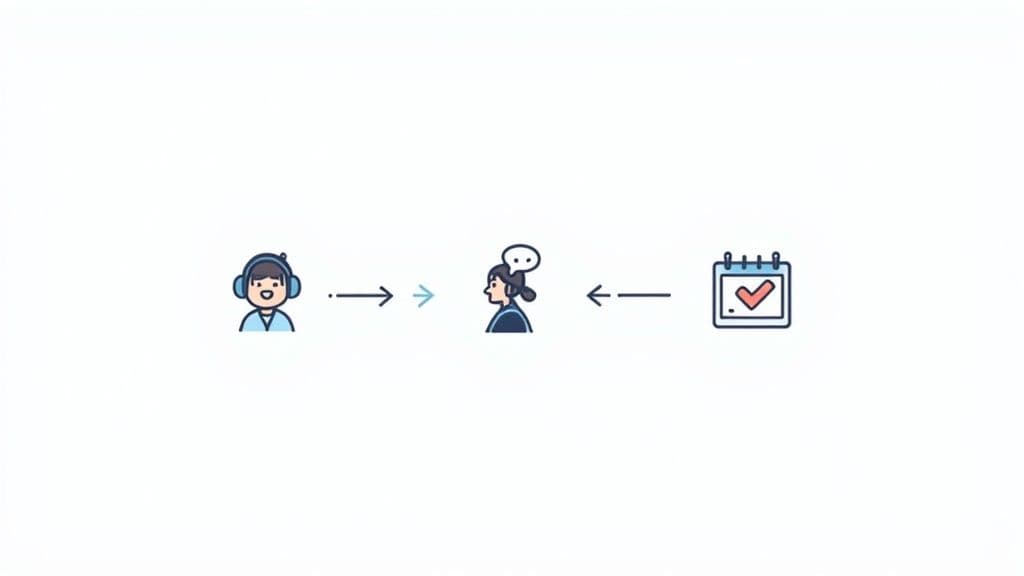
Knowing why customers call is one thing. Knowing what to do when the phone rings is what turns that call into a job. With a simple plan, you and your team can feel sure of yourselves, sound professional, and lead every talk.
Think of each call as having a start, a middle, and an end. If you can learn these three simple parts, you’ll make every caller feel heard and cared for. This is not about reading from a script. It’s about guiding the talk to a good end.
The goal is simple: be helpful and quick. You want to get the info you need while making the customer feel like they made the right choice in calling you.
Step 1: Start with a Warm Welcome
How you answer the phone sets the mood for the whole call. A warm, professional greeting builds trust and lets the caller know you’re ready to help. It should be friendly, clear, and direct.
Your first line only needs to do two things:
- Say who you are: Let them know they called the right place.
- Offer to help: Show them you are there to solve their problem.
A perfect example is: "Thank you for calling [Your Company Name], this is [Your Name]. How can I help you today?" That one sentence is polite, useful, and starts the call off right.
Step 2: Listen and Learn About the Caller
After you say hello, your main job is to listen. This is how you find out what the caller really needs. Let them explain their problem without cutting in. This shows you care.
As they talk, you can start to "qualify" them. This just means figuring out if they are a good match for your services. You just need a few key details to see how you can best help them.
The secret to a great inbound call is making the customer feel understood. By listening well, you're not just getting facts; you're building a bond.
To learn about a caller without sounding like you're reading a list, ask open-ended questions. These are questions that can't be answered with a simple "yes" or "no."
Key Information to Get:
- Name and Contact Info: "Who am I speaking with?" and "What's the best number to reach you at?"
- Their Main Problem: "Could you tell me a little more about what's going on?"
- Location: "What's the address for the job?"
- How Soon They Need It: "How soon were you looking to get this done?"
This helps you understand the job and makes sure you have what you need to follow up or give a price.
Step 3: End with a Clear Next Step
The last part is to make sure the caller knows exactly what will happen next. Never end a call with a fuzzy "we'll get back to you." A clear next step leaves the customer feeling sure you will take care of them.
Depending on the call, the next step could be:
- Booking an appointment: "Okay, I have you down for Tuesday at 10 AM."
- Sending information: "I'm sending that price to your email right now."
- Setting a plan: "Our expert will call you back within the hour to talk more about this."
By giving them a clear plan, you end the call on a good note and move that person one step closer to becoming a customer. This simple, three-part plan can turn every inbound call into a real opportunity.
How to Measure Your Inbound Call Success
If you don't know how well you're doing, you can't get any better. Checking your inbound call success might sound hard, but it’s pretty simple. You just need to watch a few numbers that tell you if you're getting new jobs or letting them go.
Think of it like the gas gauge in your truck. You don't need to be a mechanic to know if you have enough gas for the next job. These numbers work the same way. They give you a quick, clear picture of how you're doing with calls.
By tracking a few key things, you can find problems early, make smart changes, and turn more phone calls into paying jobs.
Key Numbers That Really Matter
You don't need a lot of fancy charts to get this right. For most service businesses, it comes down to three simple but strong numbers. Knowing these will tell you almost everything you need to know.
- Answer Rate: This is the big one. It’s the percent of calls you actually answer. If 100 people call your business and you answer 85 of those calls, your answer rate is 85%. A low answer rate is a big warning that you're losing money.
- Conversion Rate: This number tells you how many calls you answer turn into a booked job. Let's say you talk to 10 possible customers and book jobs with 3 of them. Your conversion rate is 30%. This number shows how good you are at turning a call into money.
- First Call Resolution (FCR): This tracks how often you can solve a caller's problem on the first try, with no need for a follow-up. For a service business, this might mean answering all their questions and booking a time to give a price without having to call them back. A high FCR shows you are quick and give an edge in first call resolution.
You can start tracking these numbers today with just a notepad or a spreadsheet. Every time the phone rings, write down if you answered it and what happened in the end.
Why Tracking Is So Important
These are not just numbers on a page; they show the health of your business. A low Answer Rate means you need a better way to catch calls when you're busy. A poor Conversion Rate might mean your team needs help learning how to talk to customers and close the deal.
The goal is not to be perfect, it's to get better. Even a small increase in your Answer Rate or Conversion Rate can make a big difference to your profits over a year. By measuring your success, you take the first step toward building a system that gives every inbound call the best chance of becoming another happy customer.
Using Technology to Capture Every Opportunity
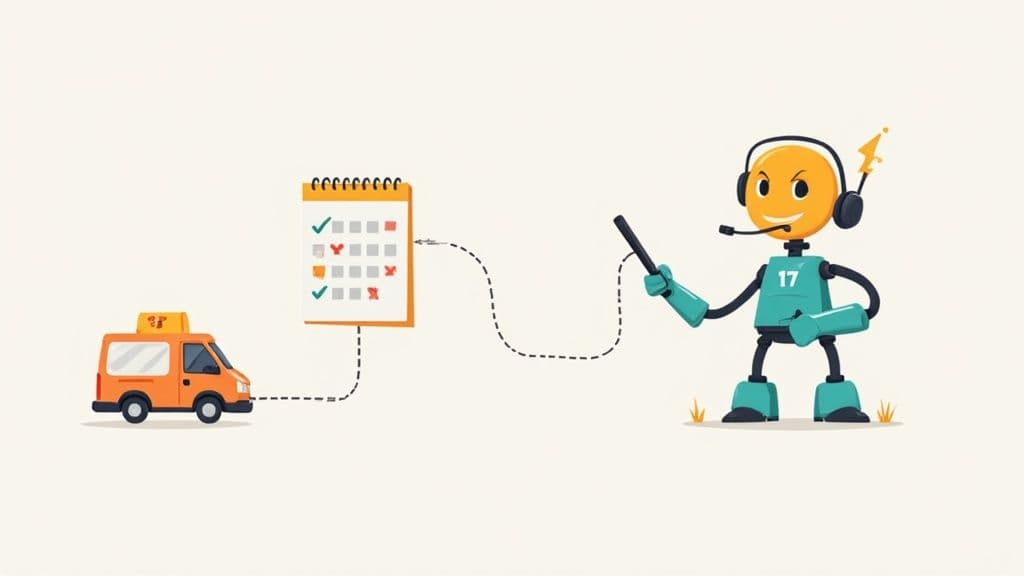
For any busy service business owner, the real challenge isn't just getting the phone to ring—it's actually answering it. When you're on a ladder, driving, or with a client, your phone often goes to voicemail.
The hard truth is that most people with a pressing problem won't leave a message. They'll just hang up and call the next person on their list.
This is where the right answering service pick for you can make all the difference. Instead of losing good leads, you can use smart tools to give every caller a quick, professional answer, day or night.
Think of it as having a perfect helper who works 24/7, never gets sick, and costs much less than a person. That’s what modern call tools can do for you.
Your 24/7 Digital Receptionist
An AI receptionist or a virtual answering service acts as the front desk for your business. They are not just for taking messages. They are made to handle real talks with a friendly, natural voice that sounds great for your company.
You can set them up to handle the most common calls by themselves:
- Answering common questions: They can quickly give your business hours, service areas, or basic price info.
- Checking new leads: The system can ask key questions to see if a caller is a good fit for you.
- Booking appointments: Best of all, they can connect to your calendar and book new jobs for you.
A modern answering tool means that even when you're busy, your business is still getting new leads. You get a clean summary of every call, so you always know what's going on.
These systems give you peace of mind, knowing that every inbound call is handled the right way. You can learn more about the features of an AI receptionist like Cira to see how it works.
By using this kind of tool, you stop wasting time, book more jobs, and give every new customer a great first impression.
Frequently Asked Questions About Inbound Calls
We get it—you might have a few questions about inbound calls. To make things simple, we’ve put together quick and clear answers to some of the most common ones we hear.
What Is the Main Difference Between an Inbound and Outbound Call Center
The biggest difference is who makes the call first.
An inbound call center is all about getting calls. Customers are the ones calling your number to get help, ask about a service, or book a job. Think of it as your customer help desk, always ready when someone needs you.
An outbound call center is the one making the calls. Workers are calling people to sell things, follow up on leads, or ask survey questions. So, inbound is when they call you, and outbound is when you call them.
How Can a Small Business Improve Inbound Call Handling Without Hiring Staff
You don't need to hire another person to handle calls like a pro. Smart tools like an AI receptionist or a modern phone system can be a game-changer for a small business.
These tools work 24/7. They answer every single call with a professional, custom greeting. They can answer basic questions, take good messages, and even book jobs right into your calendar. This way, you catch every possible job without the cost of a new hire. You never miss a lead just because you're busy.
The right tool acts as a perfect helper for your business. It makes sure every caller gets a quick, helpful answer, which builds trust from the very first call.
Is It Better to Handle Inbound Calls In-House or Outsource Them
This really depends on what your business needs.
Handling calls in-house gives you full control. But it means you or your team must be ready to answer the phone at any moment.
Outsourcing to the best answering services ranked by price or using an AI tool is often cheaper and makes sure no call is ever missed. Many business owners find that using both works best. They handle calls during work hours, then let an AI or a service take over after hours and on weekends.
Ready to Never Miss a Call?
7 days. Cancel anytime.
Let Cira answer your calls and book jobs while you work.